The Karaoke Loophole That Paid For College
YC asked about hacking a non-computer system. My answer ended up being a karaoke bar in Vancouver during Covid.
Hi, Johan here.
I applied to YC on Sunday, and one question stayed in my head for way longer than I expected:
Please tell us about a time you most successfully hacked some non-computer system to your advantage.
I thought I would answer it quickly, but it probably took me weeks to admit the real answer because it was not a clean startup story at all. It was literally one of my old jobs.
My answer is this: I might have been the highest-volume server in Vancouver during Covid. No kidding.
Street Smart, Unfortunately
During my childhood, people called me street smart, and I hated it so much because I wanted to be a nerd instead. I wanted to be book smart. I wanted to be the guy who reads thick books and understands calculus without looking confused every five minutes. Instead, people were like, "Johan is street smart."
Which, as a kid, felt like a backhanded compliment. Like congratulations, you are good at figuring things out, but not in the clean academic way.
But apparently street smart is not something you can avoid. It is not a skill you turn on. You just walk into a room and start noticing incentives, loopholes, who actually makes decisions, and which rules people follow versus which rules people just talk about.
The Karaoke Bar
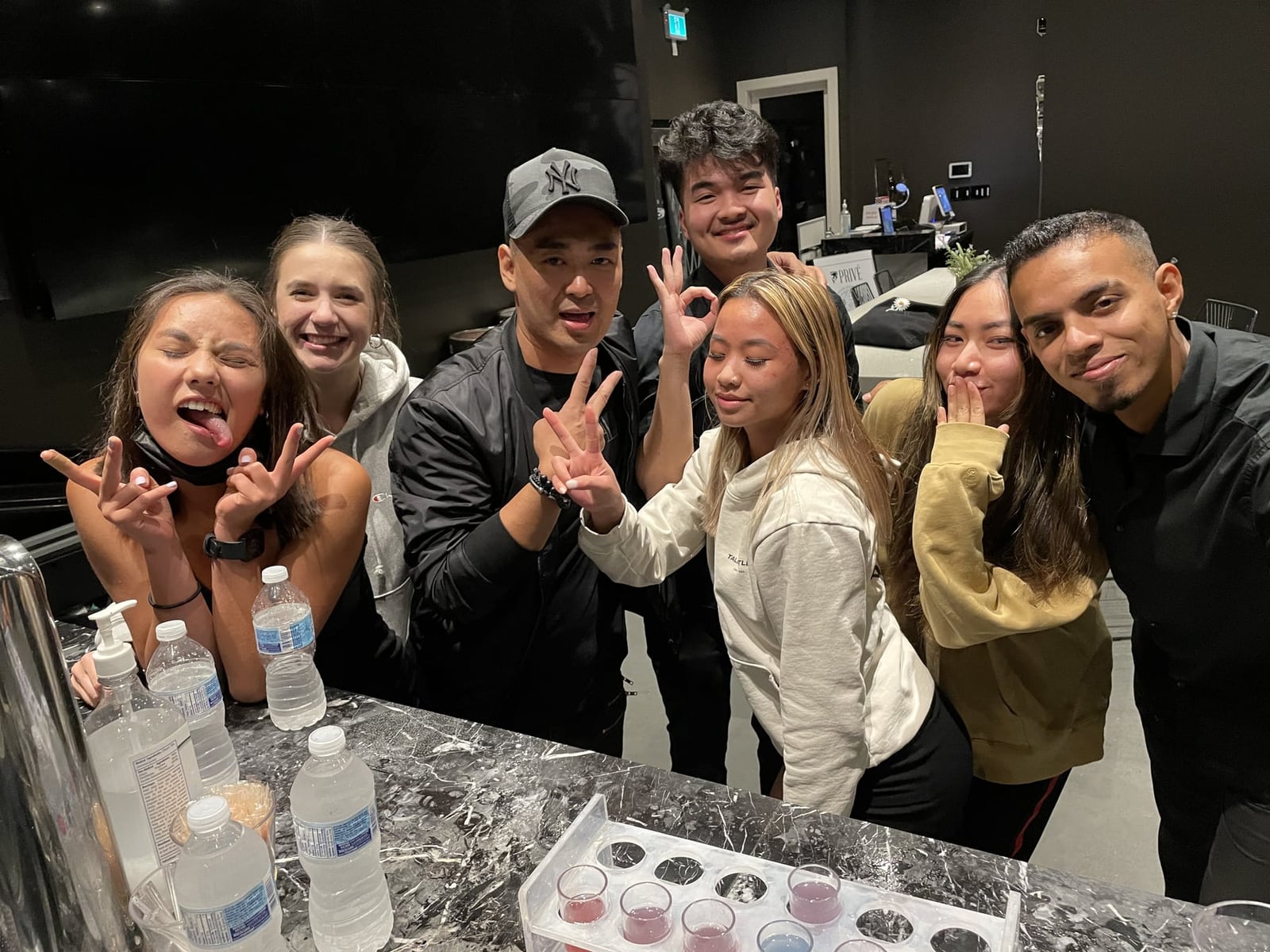
In 2020, I was a server at a karaoke bar in Vancouver. Looking back, that place was probably one of the biggest turning points of my life.
At first it was just a job because I was a broke student and needed money for tuition. That was really it.
Then Covid hit, and the restaurant world became impossible to predict. One week something was allowed and the next week it was not, so everyone was trying to understand the rules while also staying alive as a business. The weird part was that private rooms were treated differently, and that became the angle.
The Loophole
The karaoke bar already had private rooms. So instead of thinking of the business as regular dining plus karaoke, we leaned into the thing the rules allowed us to keep doing: private-room bookings.
Lowkey, I helped my boss reposition the business around that. Less normal restaurant. More private lounge. More room bookings. More bottles.
I do not want to make it sound smarter than it was. We just paid attention to where the restrictions were tight and where there was still room to operate, then moved the business toward private rooms. Ethically aside, of course.
I am not saying this was morally perfect, but I was a broke student during Covid, the business needed to survive, and the rules had a weird gap in them. We found the gap, and I am not going to lie, it was hella fun.
The Numbers Were Stupid
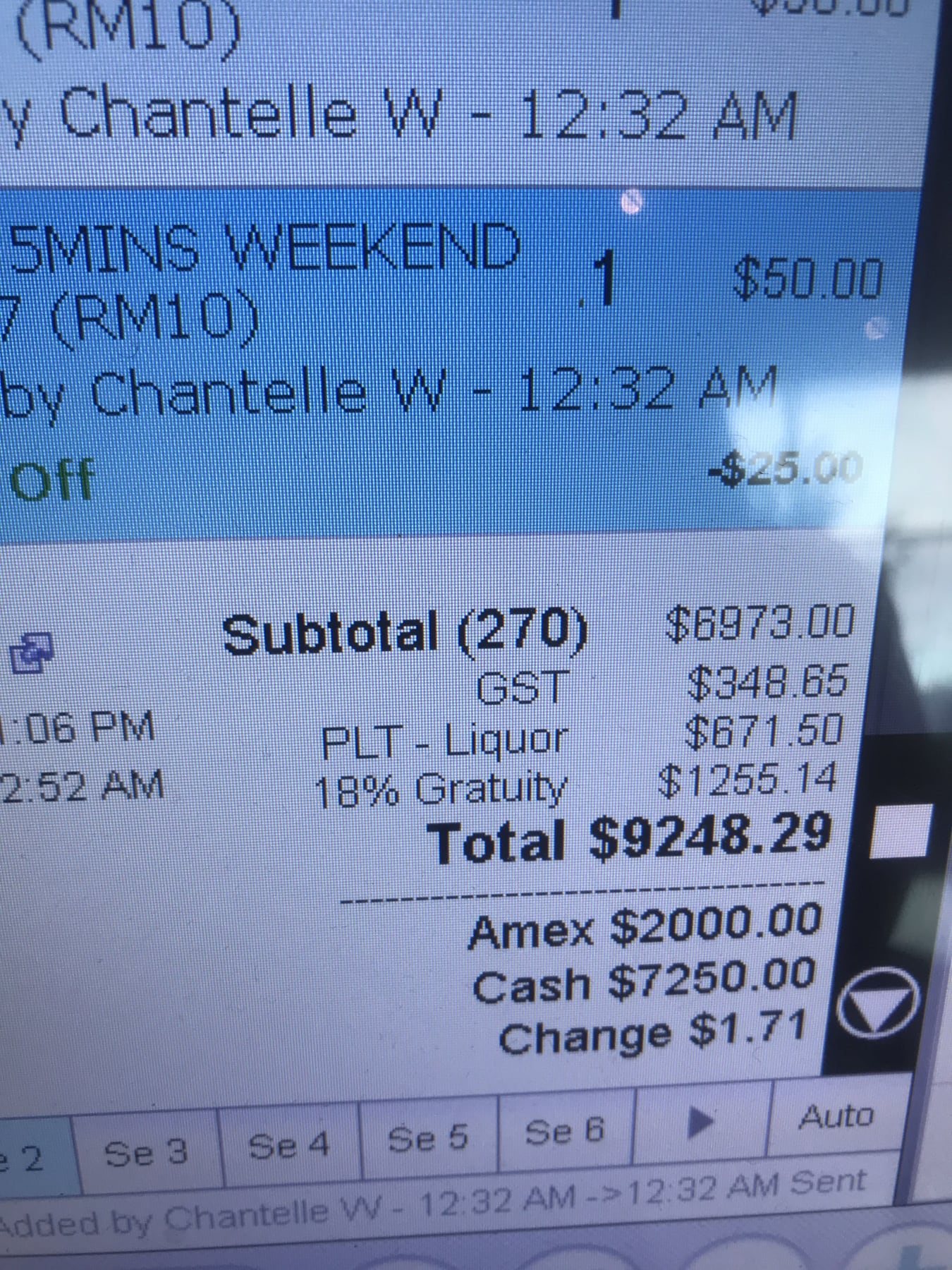
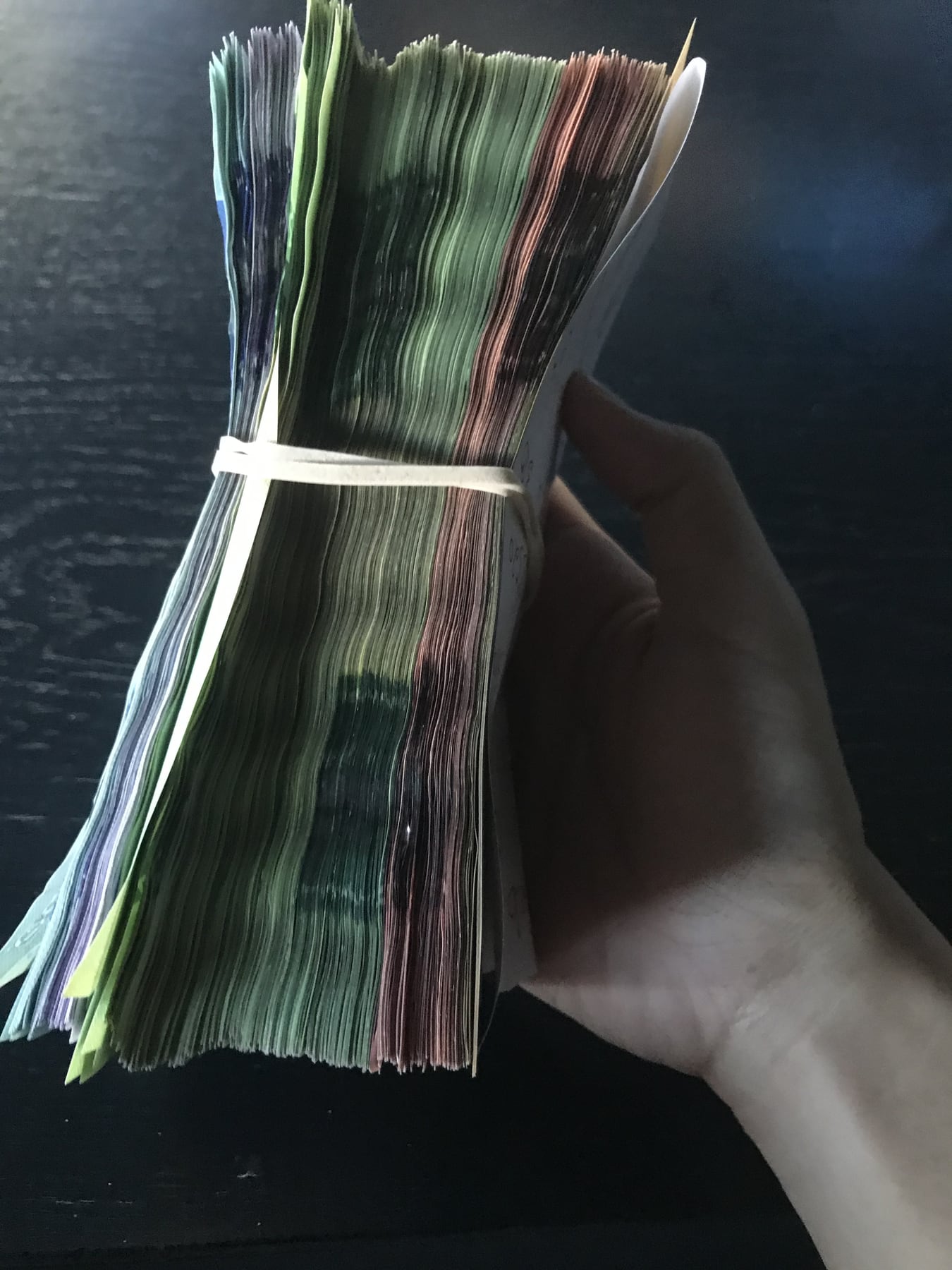
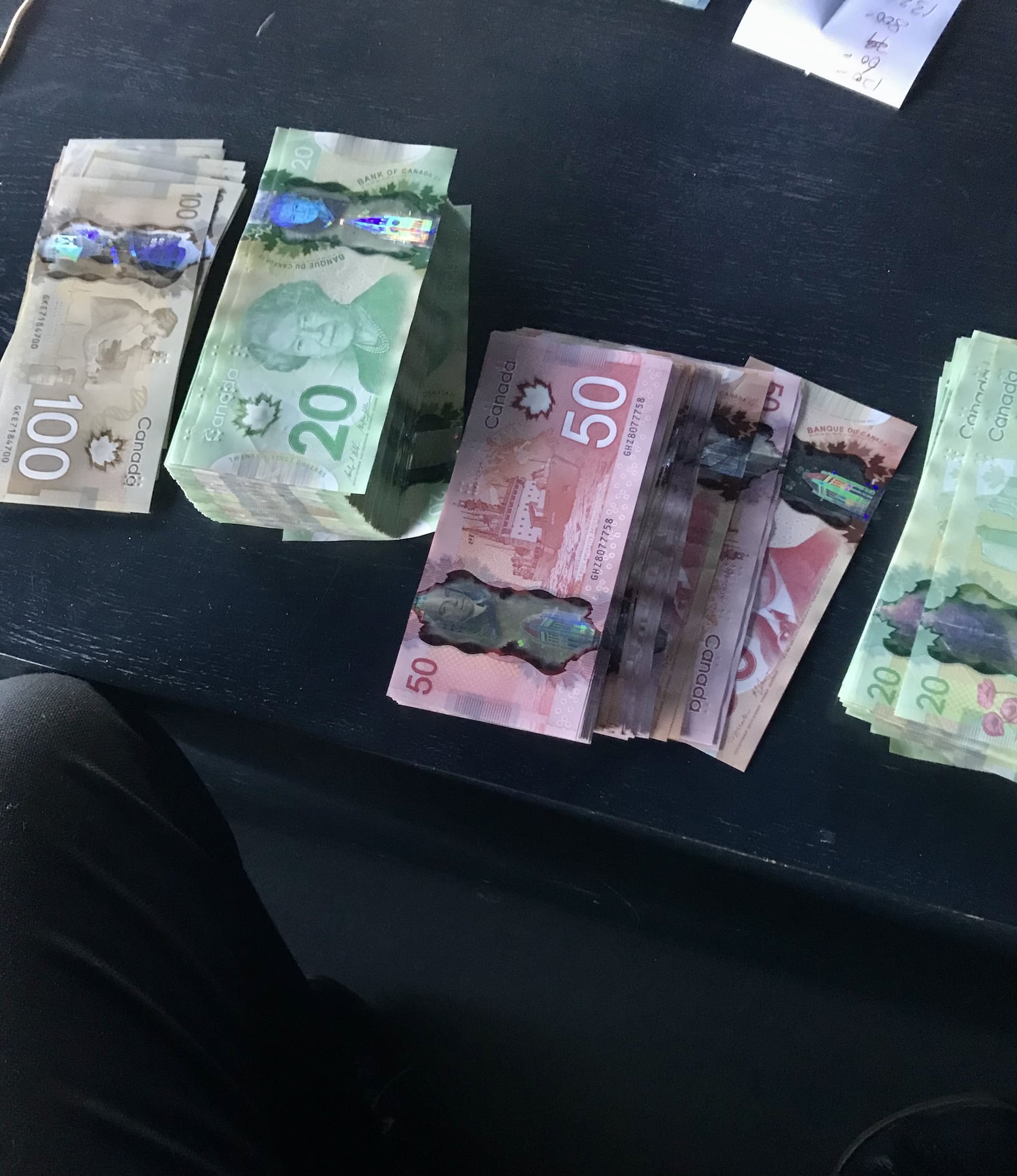
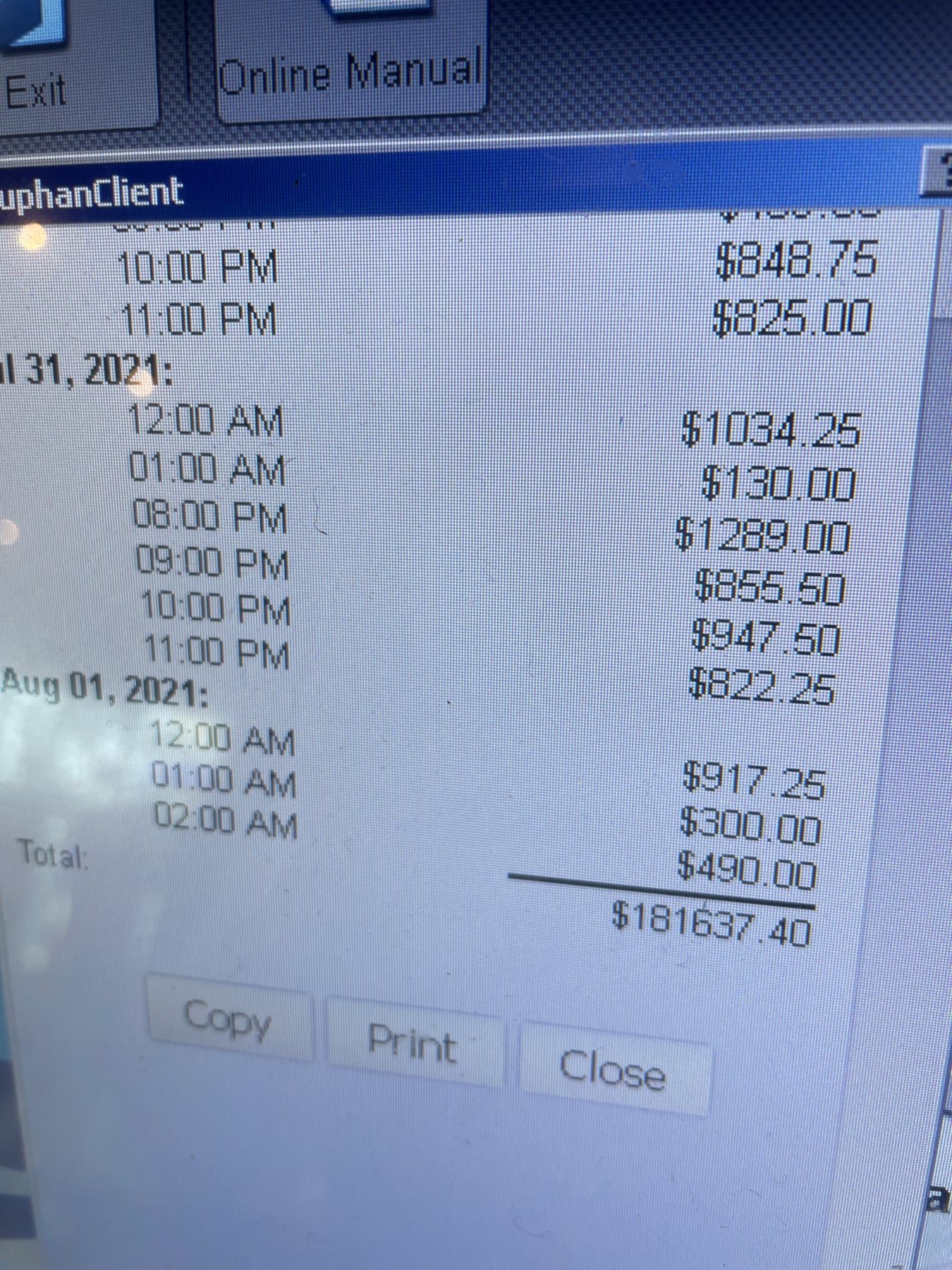
From 2020 to mid 2021, I closed $1.6M+ in liquor revenue.
A colleague joked that I might have been the highest-volume server in Vancouver. Honestly, he might have been right, but at the time it did not feel like a polished business case study. It was loud music, drunk customers, bottle service, rules changing every month, managers trying to figure out what counted as allowed, and me running around like my entire degree depended on whether someone wanted another bottle.
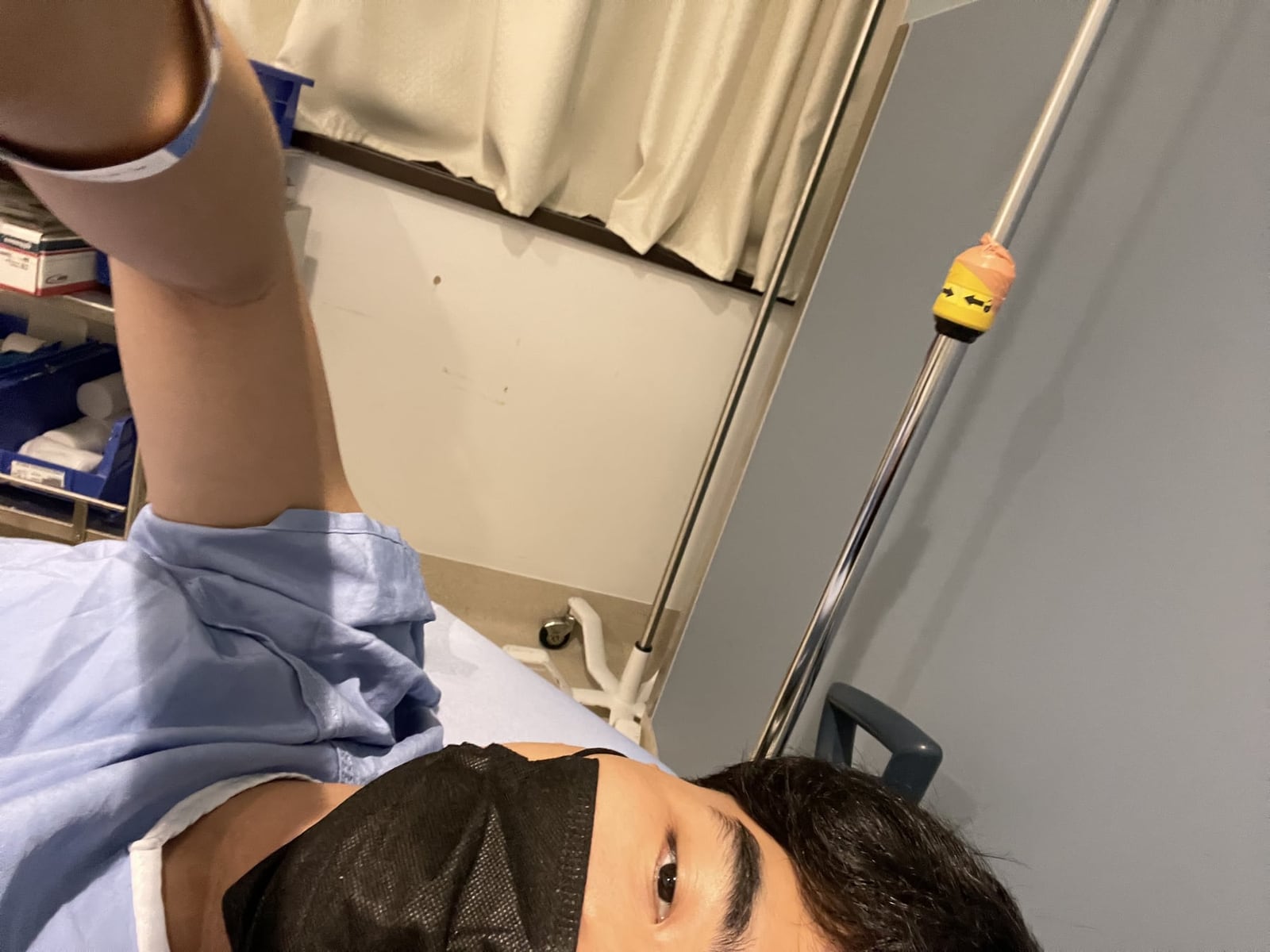
Which, to be fair, it kind of did. Long story short, the tips I made at karaoke paid for my college. Not metaphorically. Like actually. Tuition, rent, survival. Paid by people singing badly in private rooms while I carried bottles around. Life is so unserious sometimes.
Karaoke Changed My Life
I sang a ton of karaoke during that period, and I am not going to lie: karaoke changed my life forever.
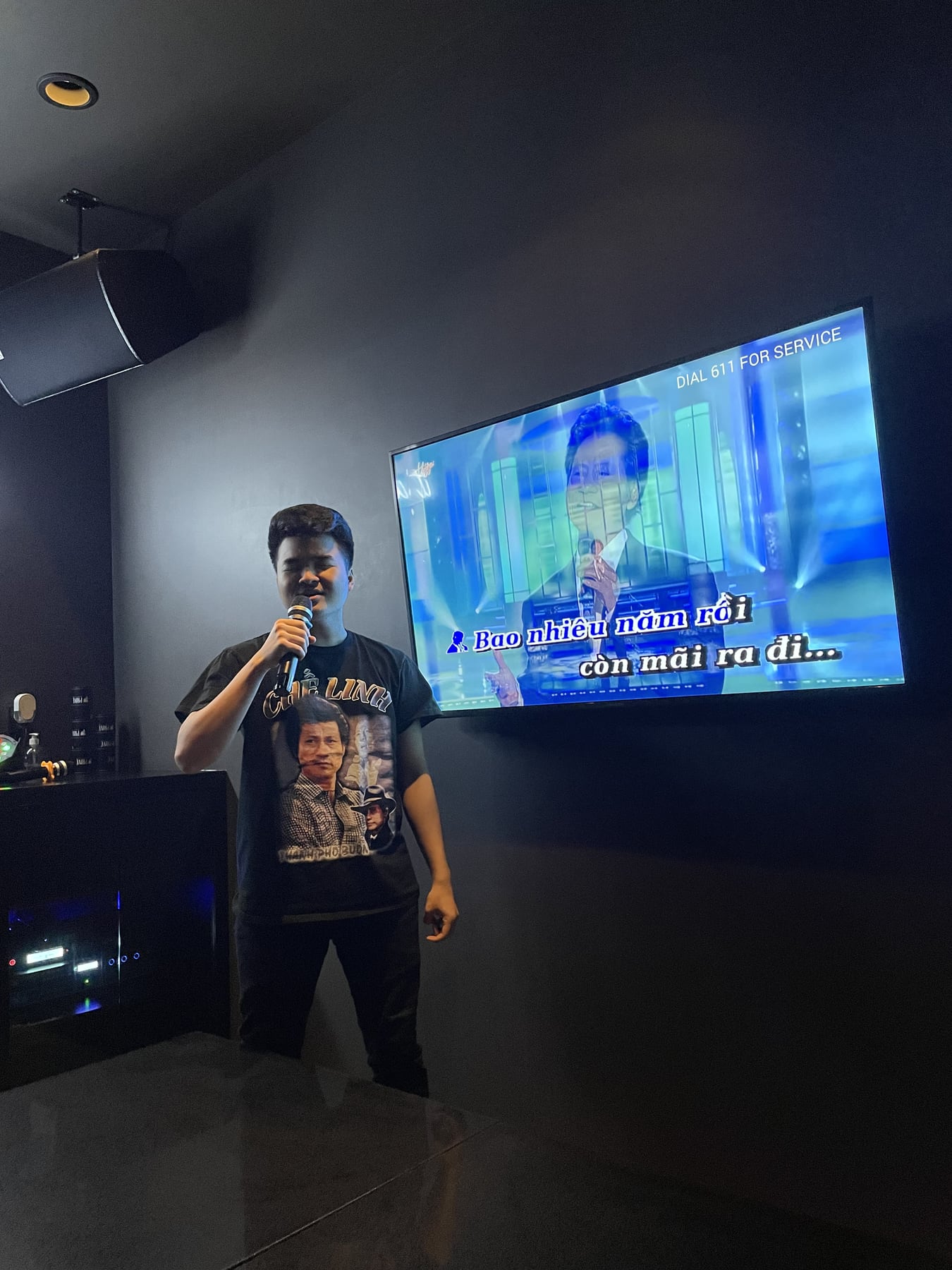
Before that job, I was not the best speaker. I could talk, obviously. I have never had a shortage of words, unfortunately for everyone, but speaking with confidence is different. Karaoke forced me to be in front of people constantly: customers every night, new groups every week, drunk strangers, birthday parties, people trying to impress dates, and people trying to impress nobody and somehow doing worse.
I learned how to read a room. I learned when to push, when to joke, when to shut up, when to upsell, when to let people feel like the decision was theirs. Looking back, that was probably my first real sales training, just with karaoke screens instead of a CRM.
I met new people every week during the loneliest time in the world. Covid made everyone isolated, but somehow I was still meeting people every night through birthdays, heartbreak, bad songs, and bottle service.
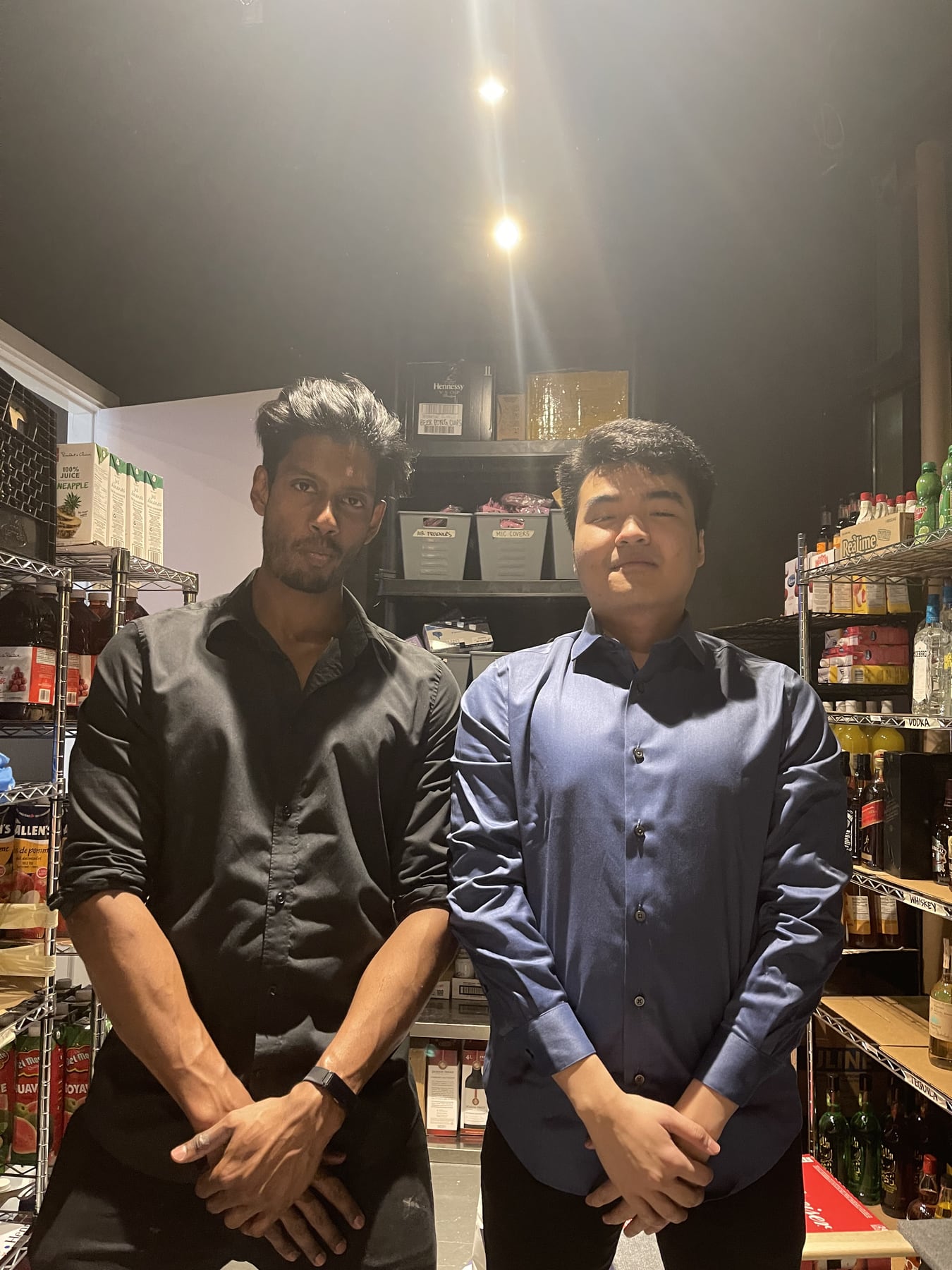
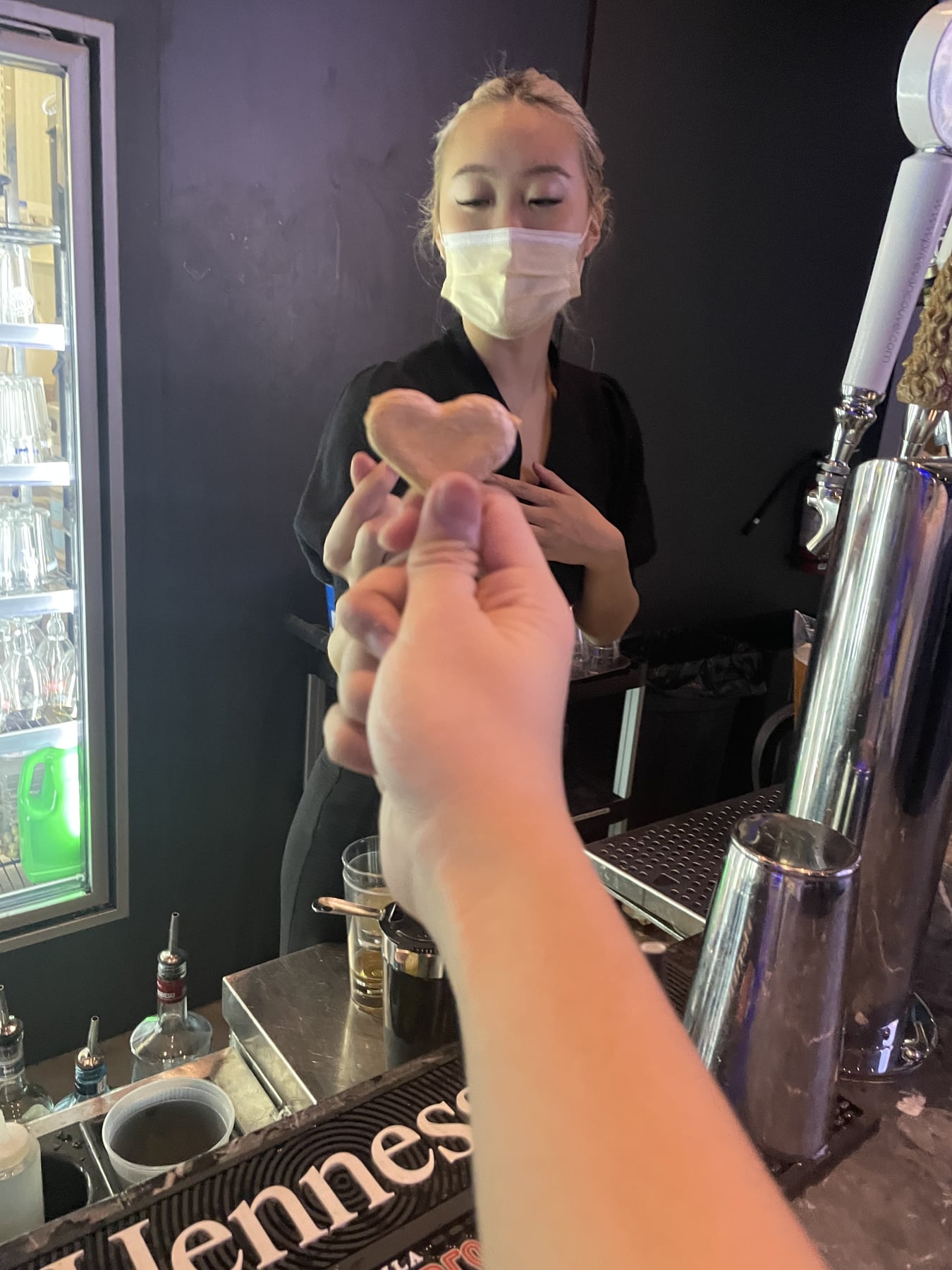
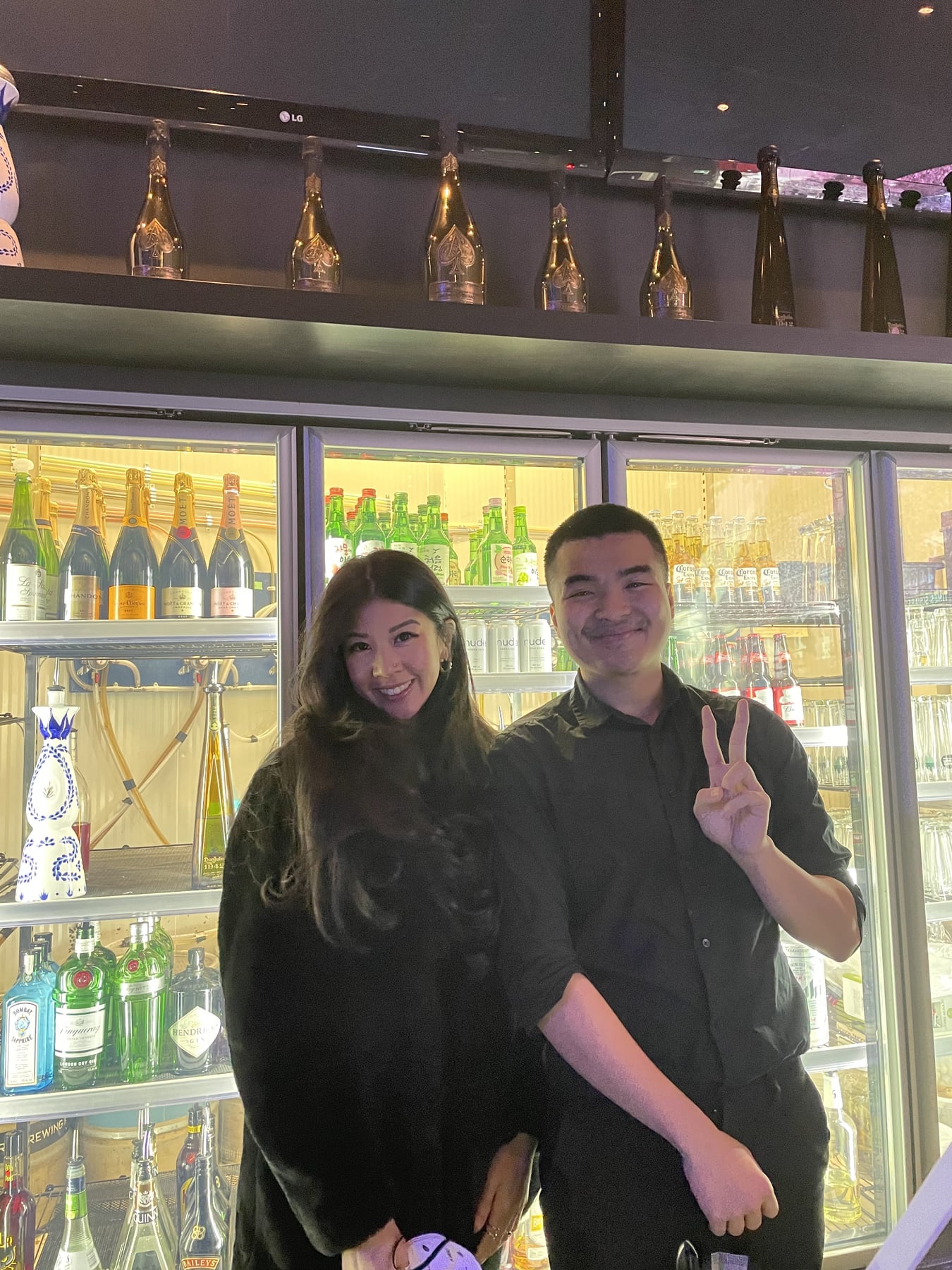
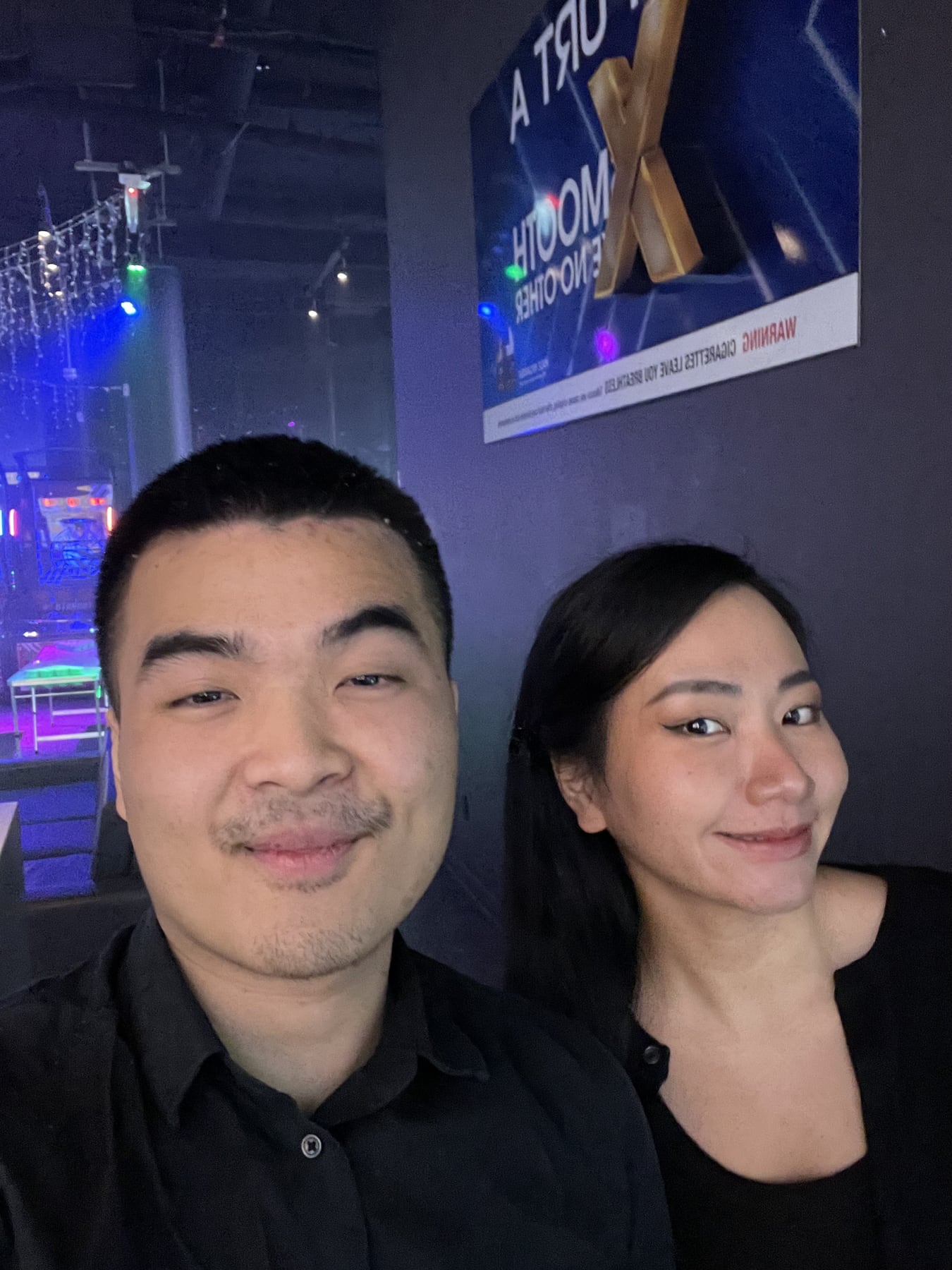
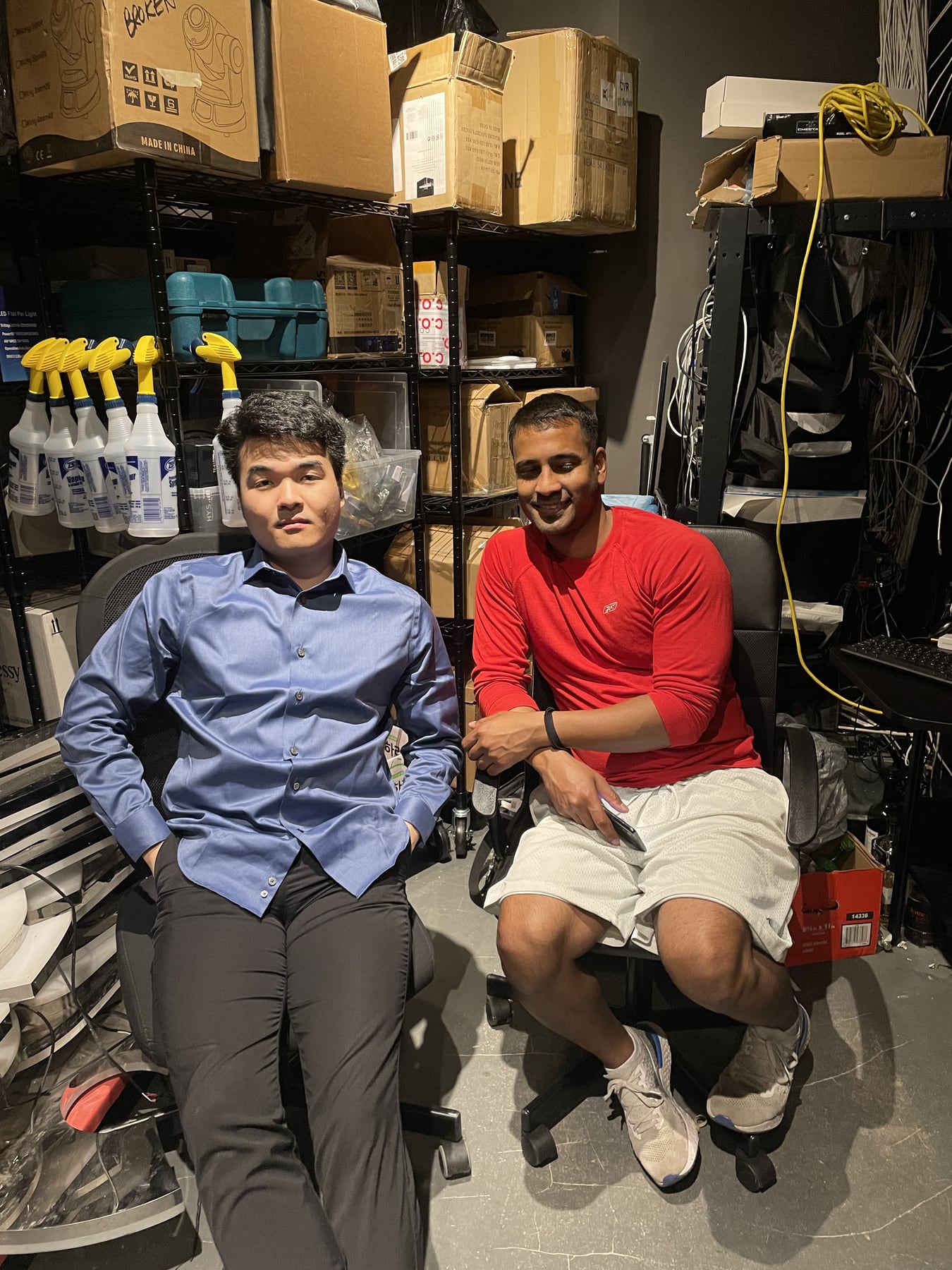
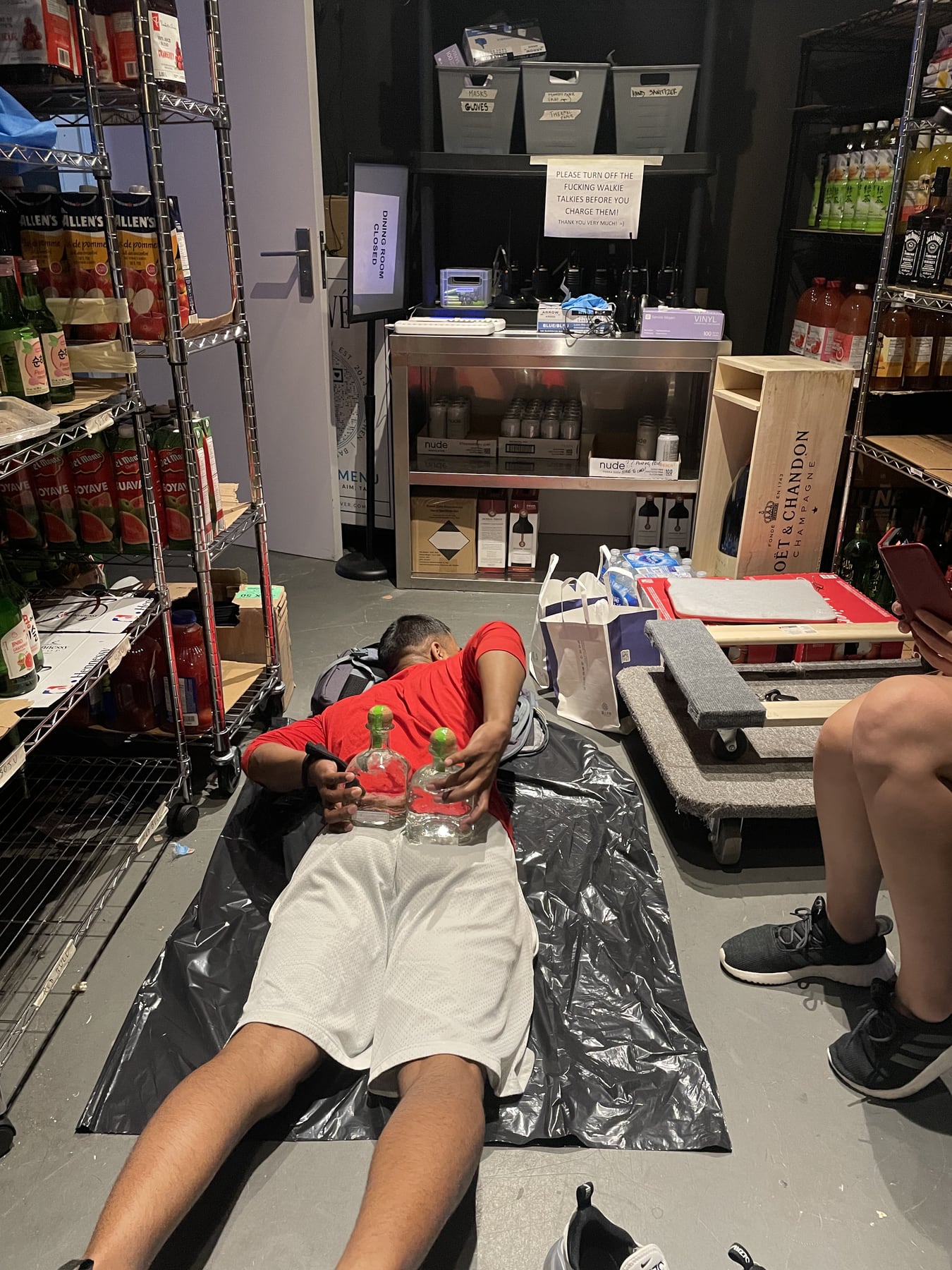
Our Karaoke Bar Was...Kinda Notorious
Also, important context: our karaoke bar was not exactly a quiet little family restaurant. It was kinda notorious, like newspaper article notorious. The kind of place where you tell someone where you worked and they go, "Ohhh, that place."
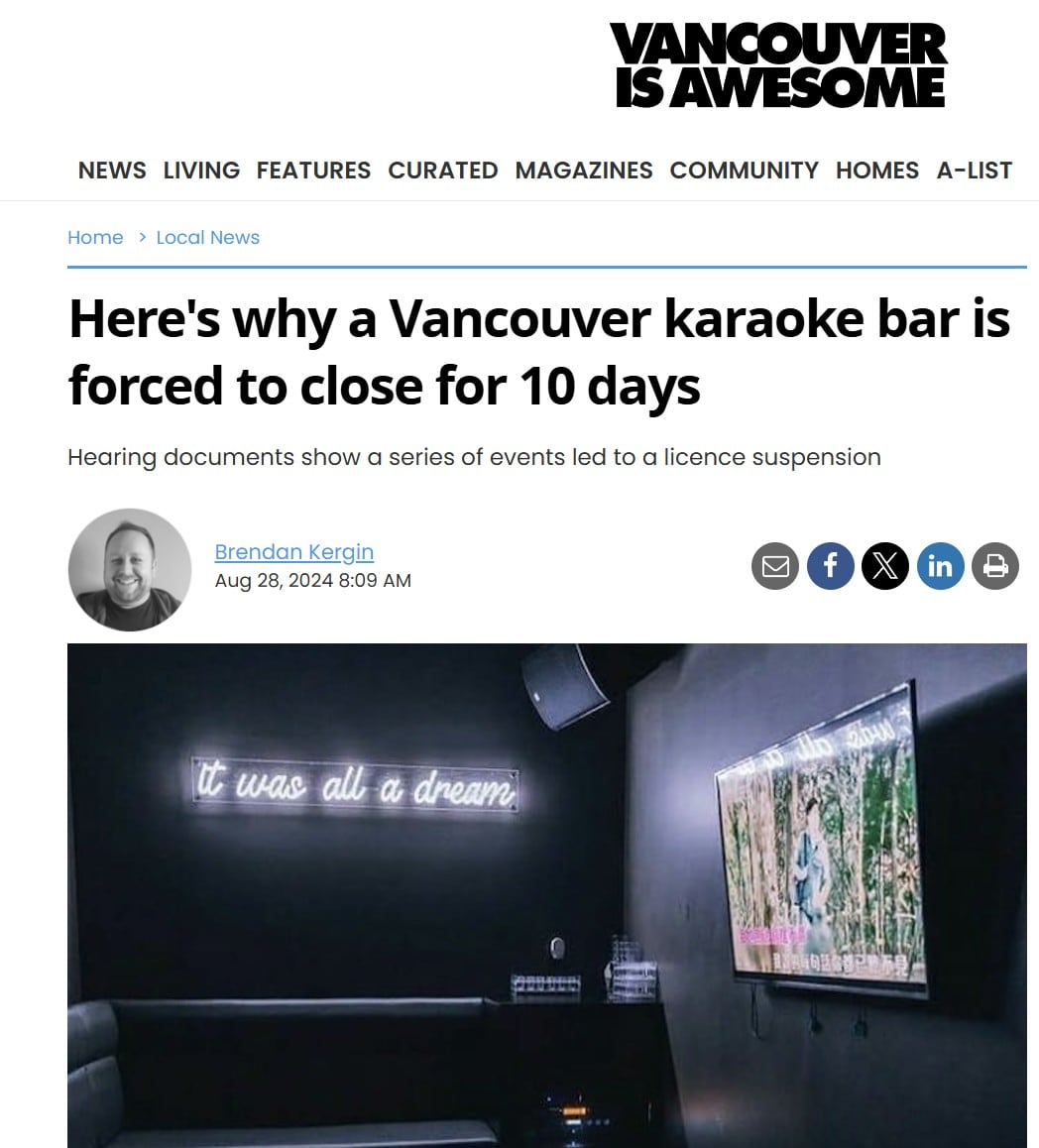
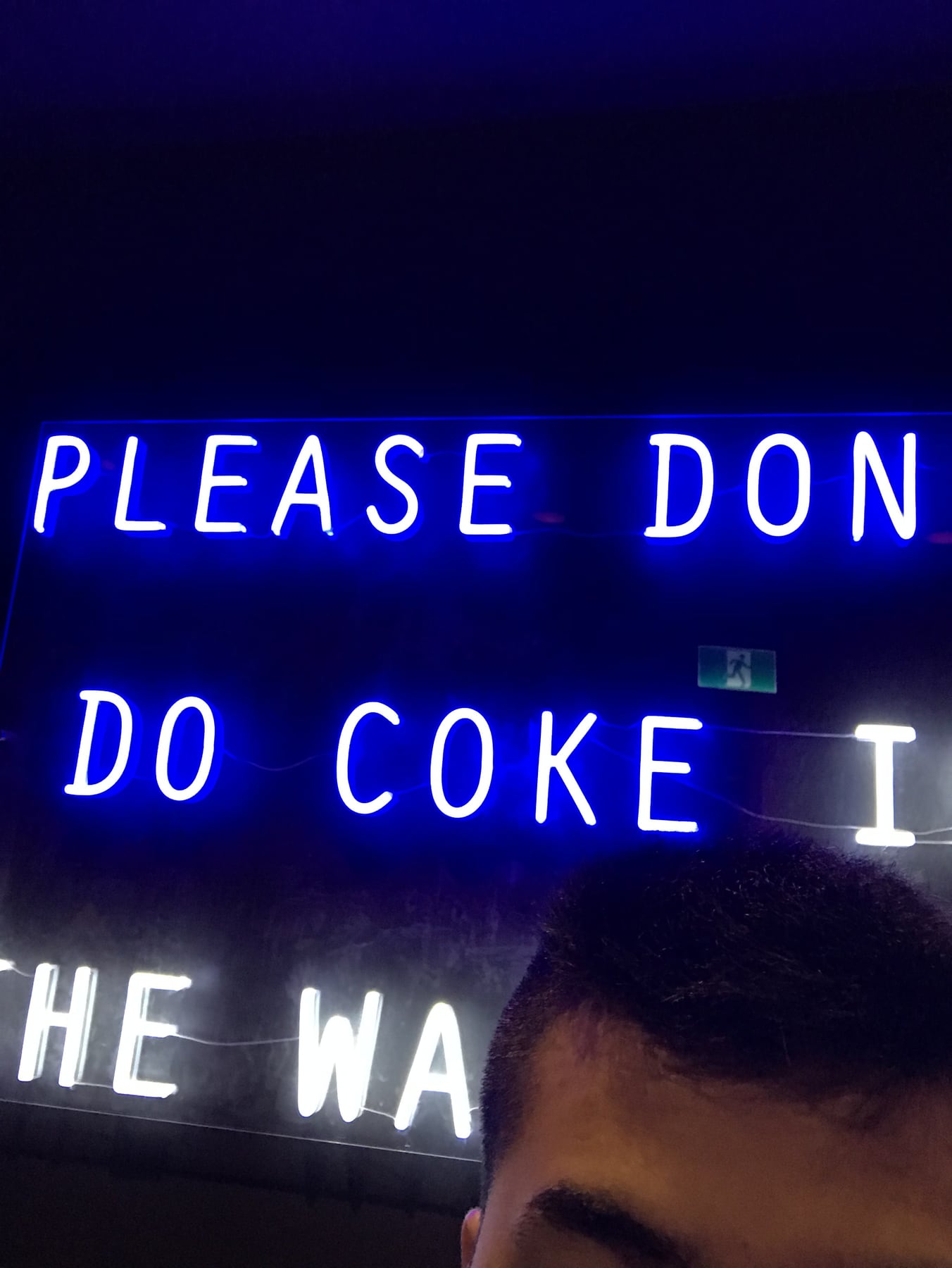
Which is funny now, but at the time it was just part of the atmosphere. The place had history. One night you are selling bottles, the next day you are reading a headline about the place you work at.
The Warnings
We did get some health warnings that are still indexed online.
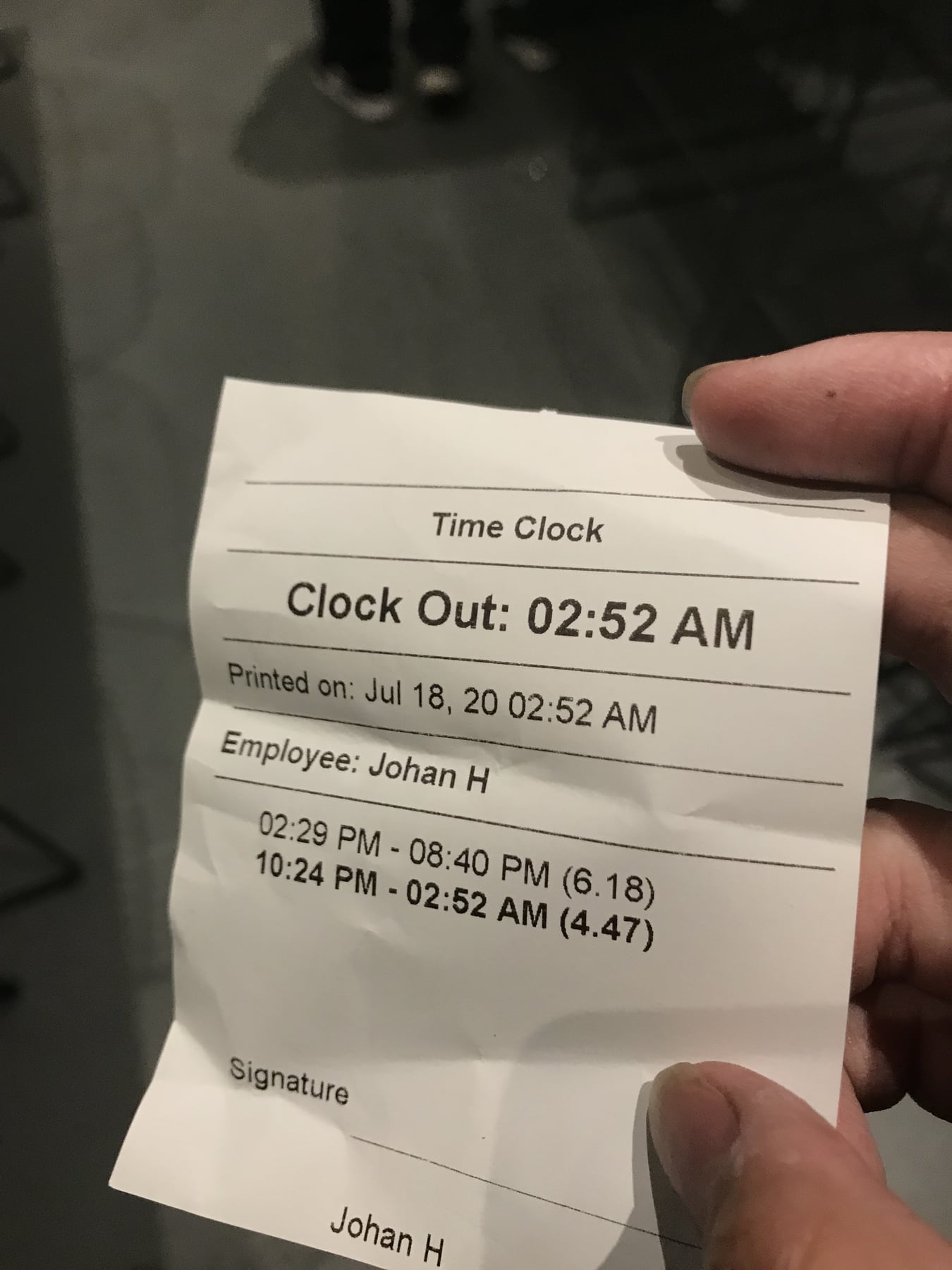
They were not directly related to the private-room strategy, but they were part of the risk around the whole place. When you operate in a messy environment, you do not get clean textbook outcomes. You get paperwork, headlines, and a lot of "wait, are we allowed to do this?" conversations.
I am not pretending the whole thing was pure. It was chaotic. It was risky, and probably the most chaotic time of my life. But if YC is asking me when I hacked a non-computer system, this is the honest answer.
What The Hack Actually Was
I do not think the hack was working harder, because everyone in restaurants was working hard during Covid. The actual hack was noticing the category shift before it became obvious.
Restaurants were being constrained as restaurants. Private lounges had different constraints, even though it was the same building, same rooms, and same drinks. The framing changed what was possible, and that is the part that stuck with me.
The same room can become a very different business when the label changes.
I think that is why the YC question stayed in my head. It was not really asking, "Are you clever?" It was asking, "Have you ever seen the invisible rules and moved through them before other people did?" Unfortunately, yes. I still hate being called street smart, but I have to admit it has been useful.
Appendix: The Private Room Arbitrage Equation
Since every blog post needs a tiny algorithm now, here is the math of the karaoke loophole.
Let R be normal restaurant revenue, P be private-room revenue, and c_R, c_P be the Covid restriction coefficients applied to each model. When restrictions hit, revenue becomes:
Y = R(1 - c_R) + P(1 - c_P)If c_R \approx 1, normal dining gets crushed. But if private rooms have a lower restriction coefficient, the obvious move is to shift the business mix:
\max_{\alpha} \; Y(\alpha) = (1-\alpha)R(1-c_R) + \alpha P(1-c_P)where \alpha is how aggressively you pivot toward private rooms. If P(1-c_P) > R(1-c_R), then:
\alpha^\* \to 1In plain English, stop pretending you are a normal restaurant and become the thing the rulebook still allows.
That is basically regulatory arbitrage, but with karaoke, vodka, and a broke student trying to pay tuition.